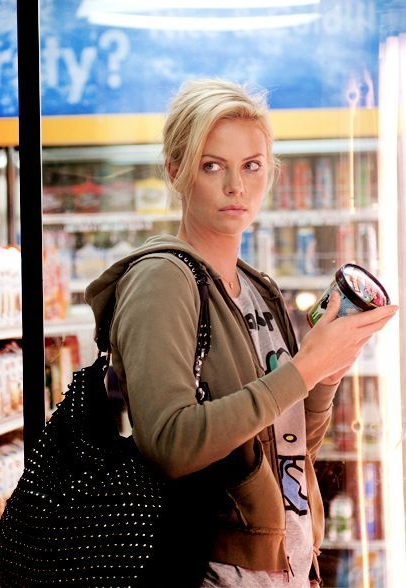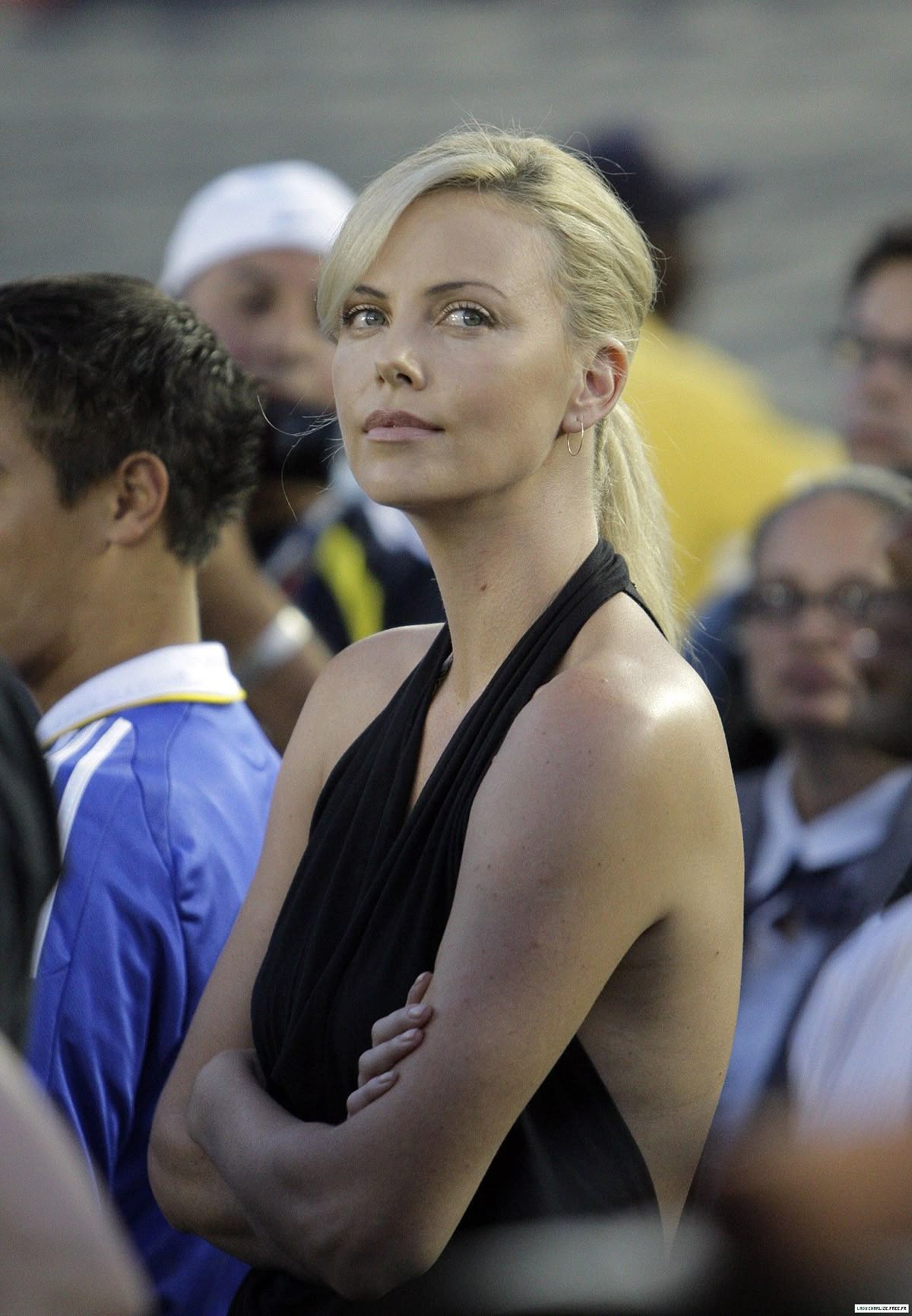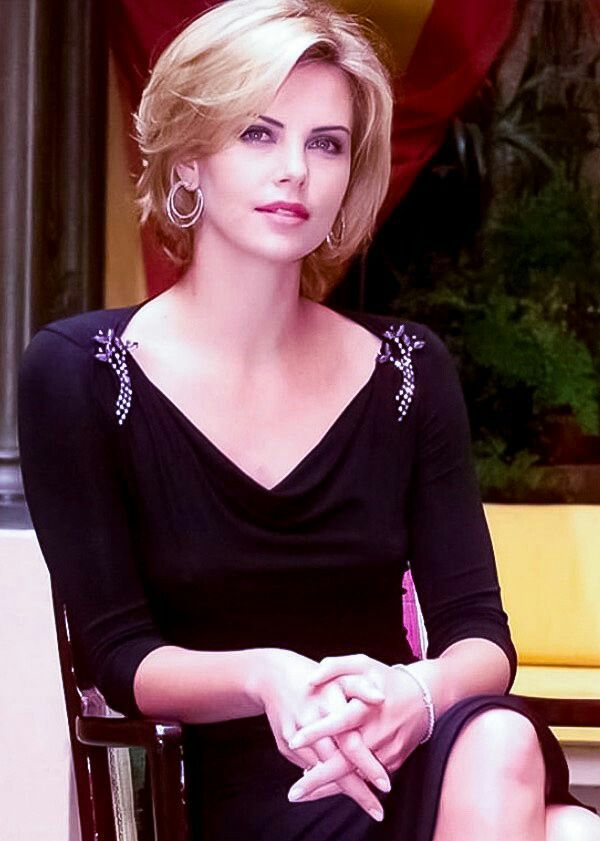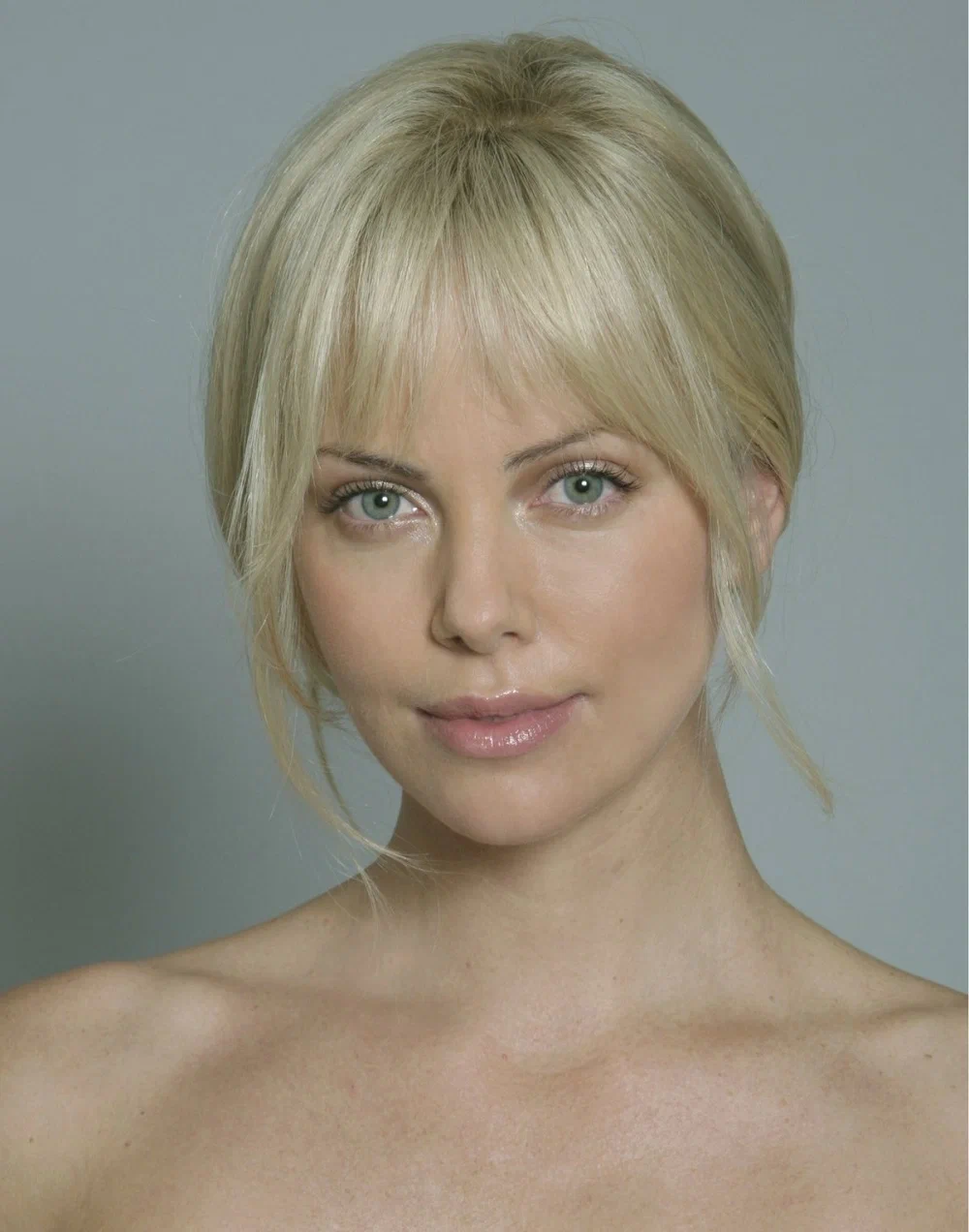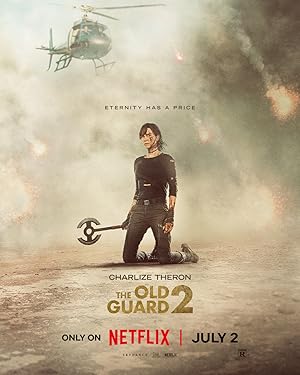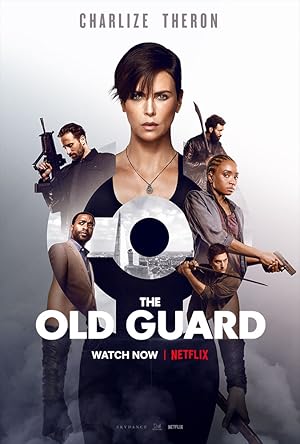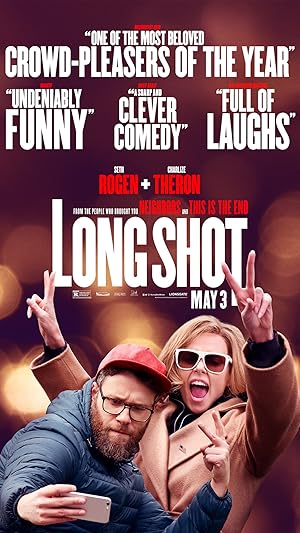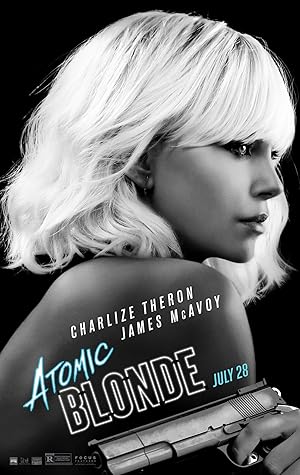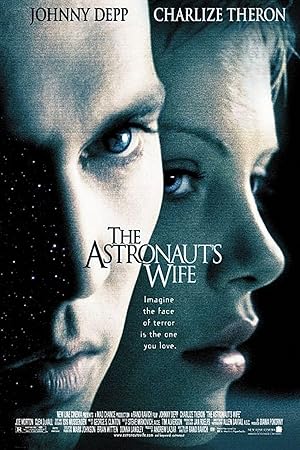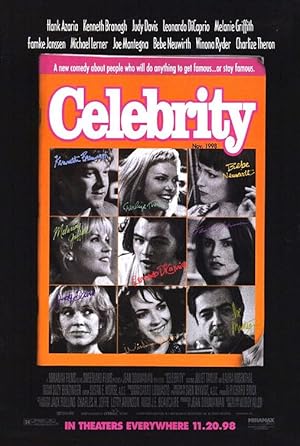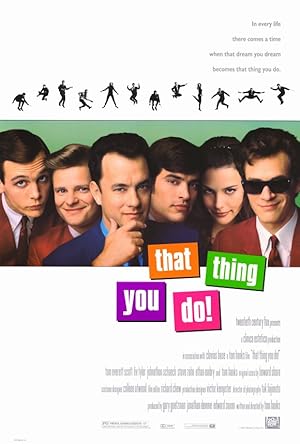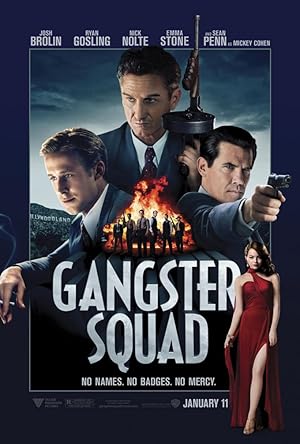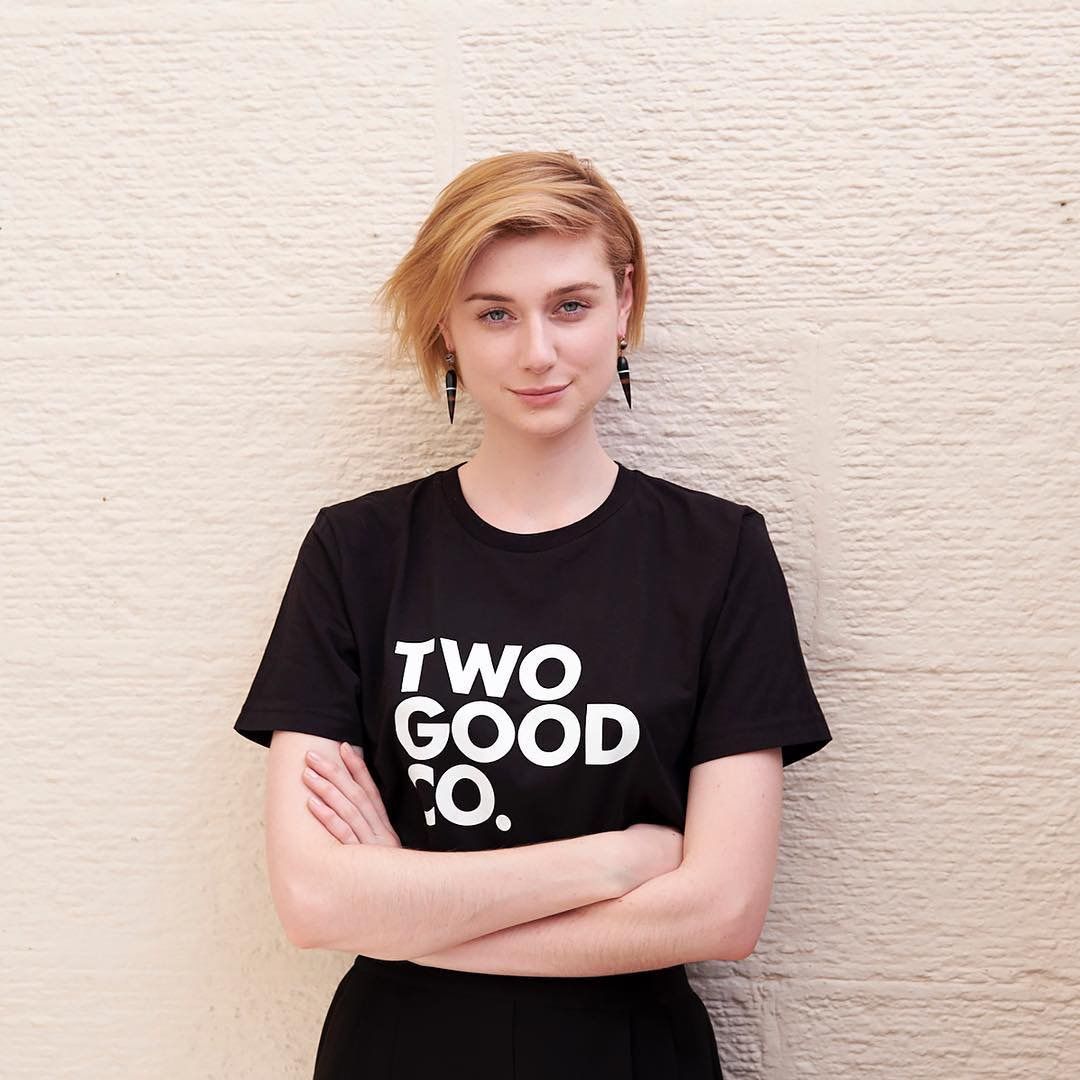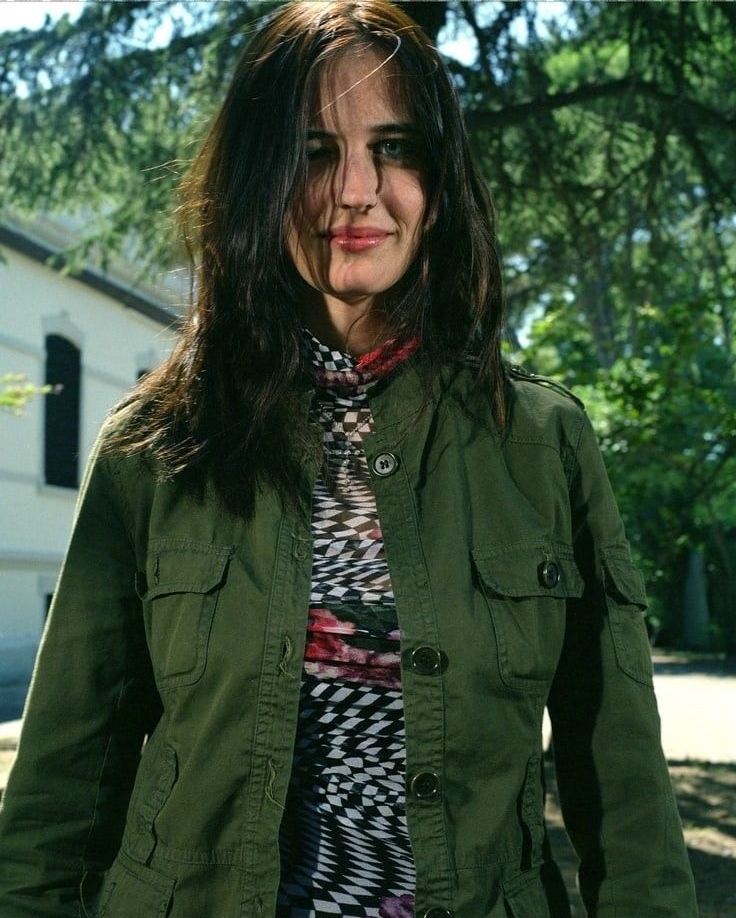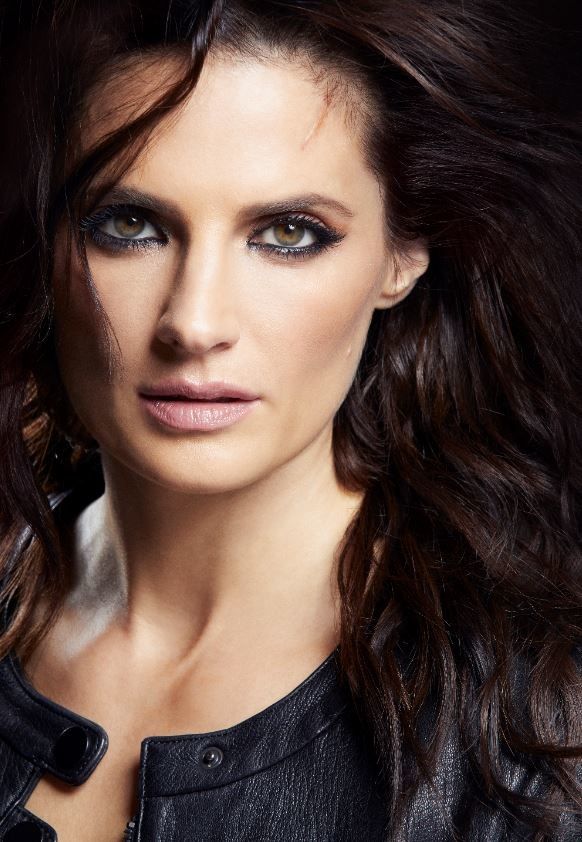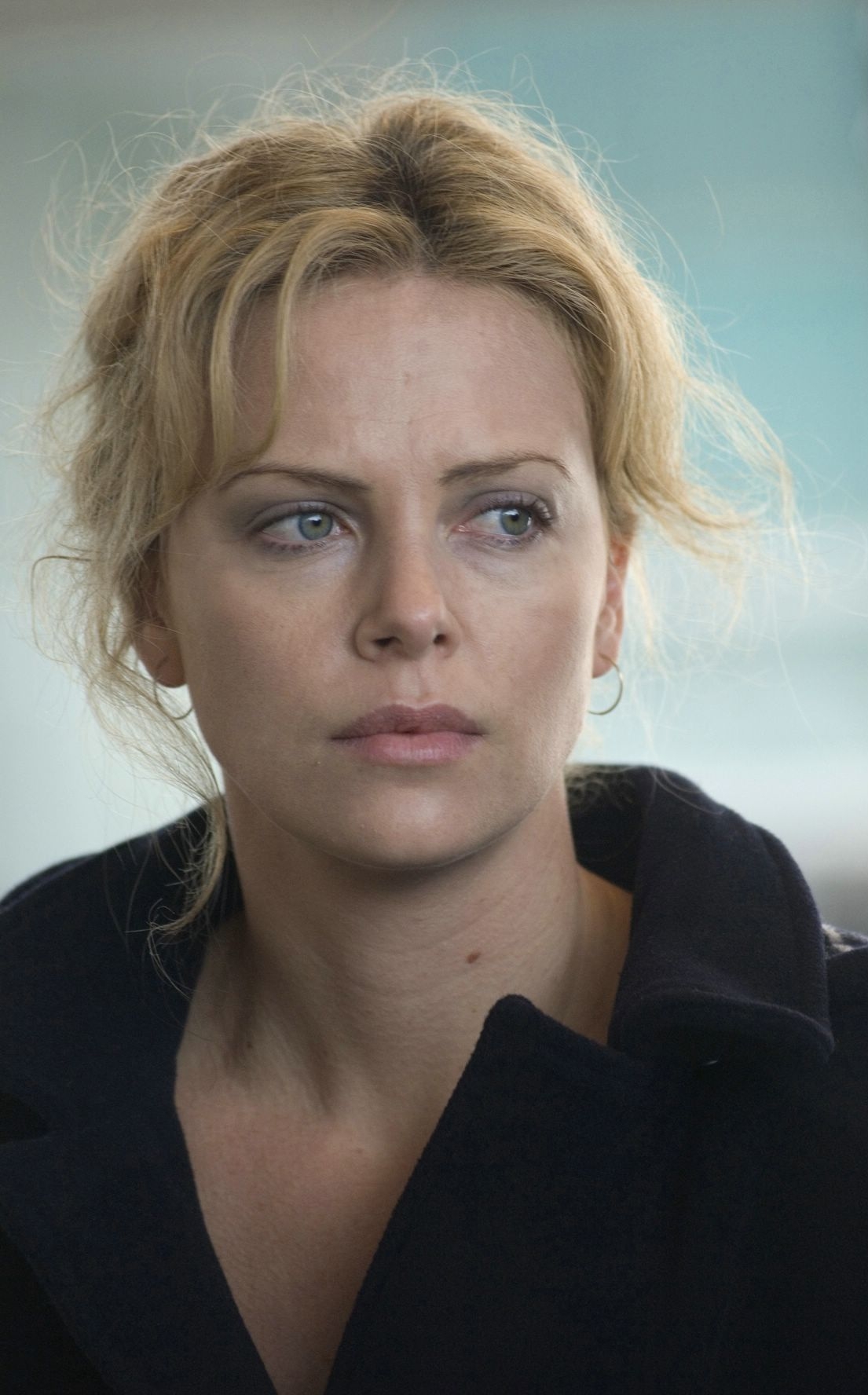
Charlize Theron
Born on August 7, 1975 (Benoni, South Africa).
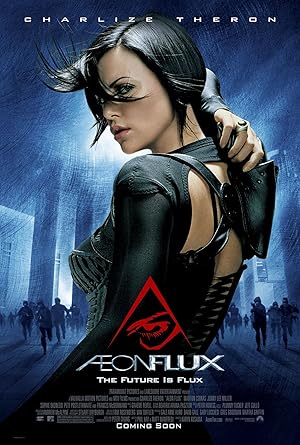
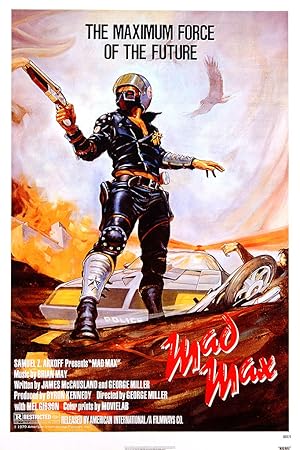
Charlize Theron is the queen of transformation — one of those rare actresses who can disappear so completely into a role that you forget you’re watching one of Hollywood’s most glamorous figures. She’s been a battle-hardened road warrior in Mad Max: Fury Road (2015), a sleek futuristic assassin in Æon Flux (2005), a dangerously alluring Evil Queen in Snow White and the Huntsman (2012) and The Huntsman: Winter’s War (2016), and the razor-sharp, high-octane spy in Atomic Blonde (2017). She’s also brought aching vulnerability to acclaimed dramas like The Devil’s Advocate (1997) and The Cider House Rules (2000), showing a range so extreme it borders on the surreal.
Theron doesn’t simply play characters — she becomes them, body and soul. She can shift from ice to fire in a heartbeat, from deadly efficiency to trembling fragility, her presence reshaping the emotional temperature of a scene. Like Scarlett Johansson, she can carry an action universe on her shoulders; like Amy Adams, she can anchor impossible worlds with sincerity; like Jennifer Lawrence, she can detonate raw, unsettling honesty without warning. And with her entrance into the MCU as Clea — a role whose potential is still a shimmering unknown — Theron feels poised to extend her reign into yet another cinematic mythology.
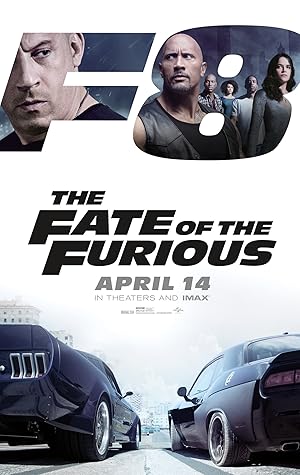
She did the unexpected: she walked into one of the most testosterone-drenched and women-as-functions franchises — all muscle, torque, and the sacred brotherhood of burning rubber — and she bent it around her axis. As Cipher in The Fate of the Furious (2017), F9: The Fast Saga (2021), and Fast X (2023), Theron became the cold, crystalline center of chaos. While the men of Fast & Furious fight with engines, fists, and family, Cipher fights with something far more dangerous: stillness. Precision. A mind engineered like a weapon. Theron didn’t merely join the movie series — she rewired its DNA. She turned a world of roaring V8s into a psychological battlefield, proving that the most terrifying force in a room full of men isn’t a bigger engine — it’s a woman who doesn’t need one.
Her meticulous approach to acting is legendary. She has spoken of discipline, honesty, and the willingness to embrace the uncomfortable if it serves the story. This commitment echoes the same artistic ferocity that defines performers such as Kate Beckinsale or Milla Jovovich — women who carved out their own supernatural and action-driven territories. Yet Theron stands apart: cool, precise, endlessly transformative, a shape-shifter not only in genre, but in essence.
Beyond acting, Theron’s impact stretches far into the real world. In 2007 she founded the Charlize Theron Africa Outreach Project (CTAOP), which has raised millions to support African youth in the fight against HIV/AIDS. A year later she was named a United Nations Messenger of Peace for her advocacy on behalf of women and children. She has marched for women’s rights, supported same-sex marriage, and used her voice in global campaigns against sexual violence. For Theron, activism isn’t a fashionable accessory — it’s the backbone of her public identity.
True to her fearless candor, she speaks openly about independence and the complexities of love, even joking about sex with men decades younger. She has been equally honest about her difficult childhood, and her conscious decision never to marry or have biological children, choosing instead to embrace motherhood through adoption.
Single. Mother of two children.
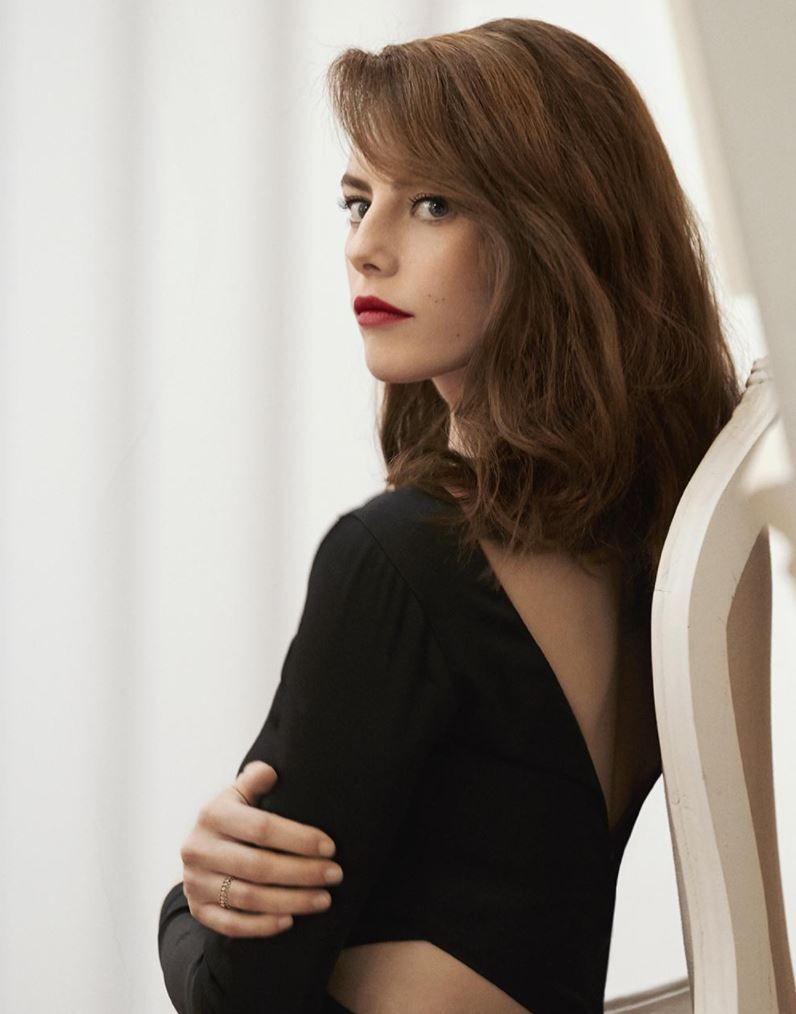
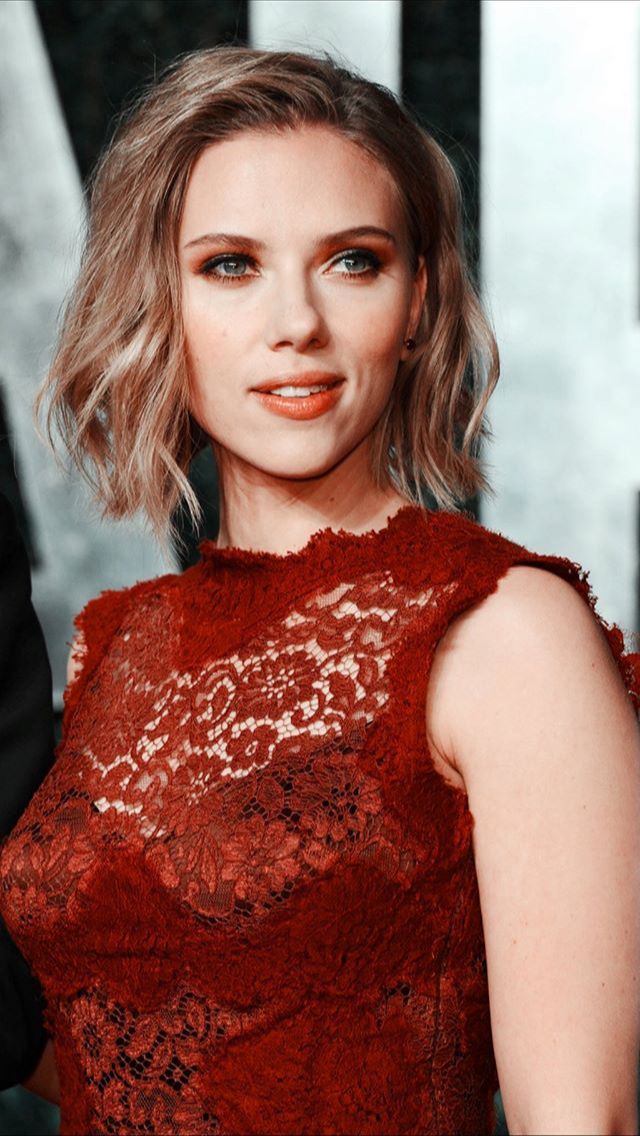
Photos & screencaps with Charlize Theron