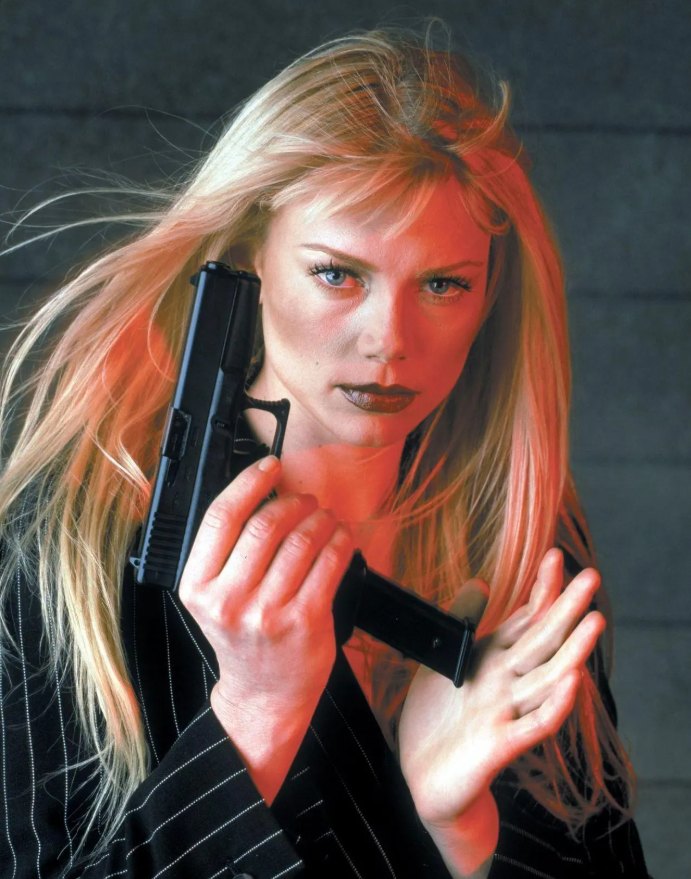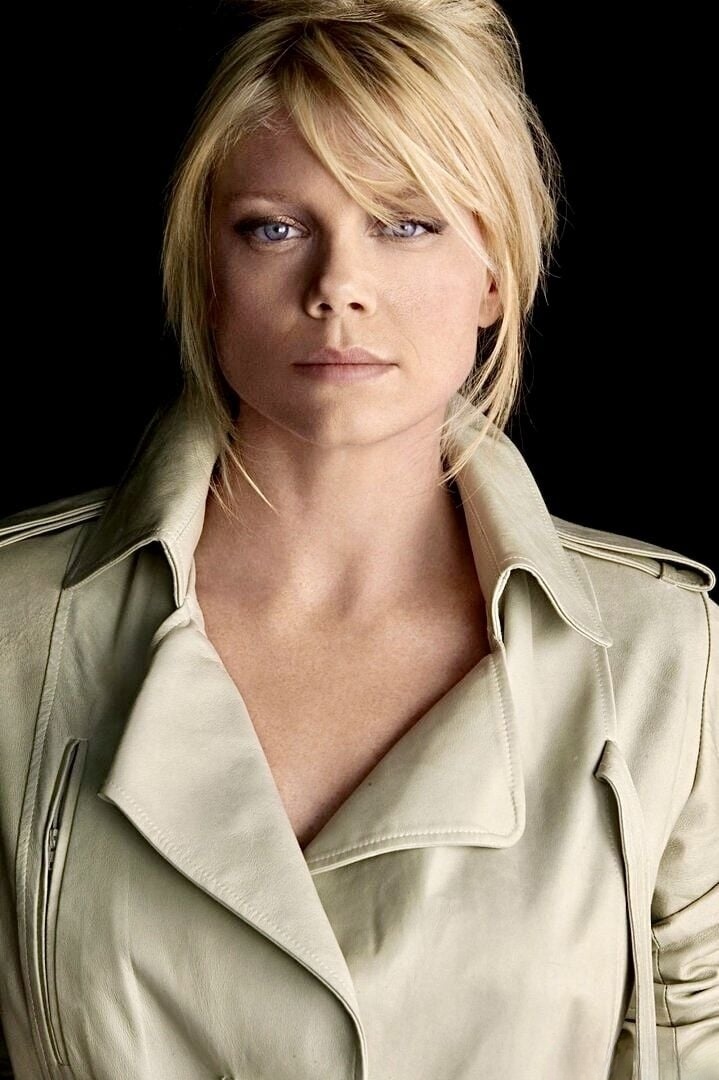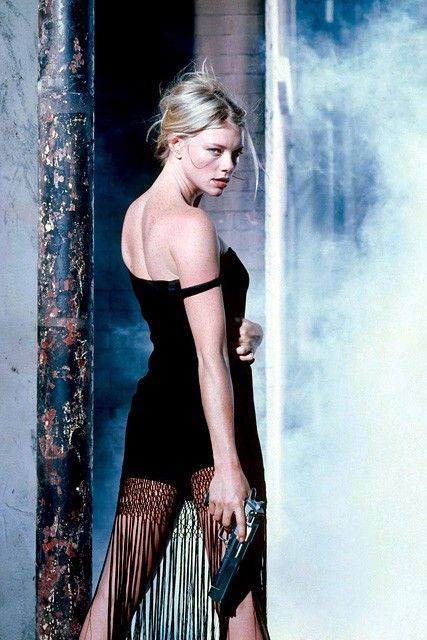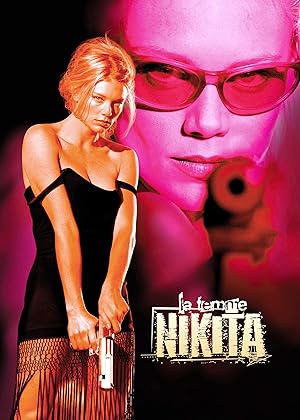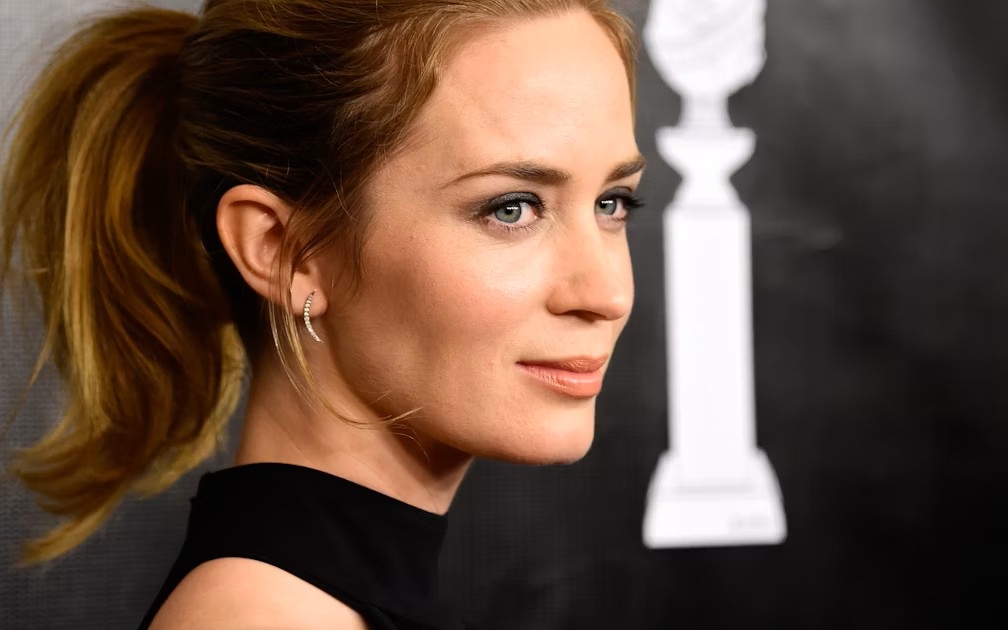
Peta Wilson / Peta Gia Wilson
Born on November 18, 1970 (Sydney, New South Wales, Australia).
Peta Wilson has secured her place in the history of television and cinema as the definitive La Femme Nikita (1997–2001) — a cool, poised, quietly devastating force who turned espionage into an art of controlled breath. With her ice-blue gaze and statuesque presence, she made covert work look effortless, transforming silence into threat, elegance into weaponry, and vulnerability into a rare form of courage. Her Nikita was lethal, yes — but never hollow. She guarded her humanity the way spies guard intelligence: carefully, fiercely, at great personal cost.
Though La Femme Nikita remains her signature, Wilson’s career extended far beyond it. She moved through period pieces, thrillers, and indie dramas with that same blend of composure and coiled power — a quality that once brought her close to becoming Jean Grey in the early X-Men films. The casting process reached her, but the iron schedule of La Femme Nikita kept her anchored, and the role passed on. Yet the image of Wilson as a conflicted, telepathic powerhouse still lingers as one of those irresistible cinematic “what ifs.”
What she did create, however, was an archetype — the psychological blueprint of the modern action heroine.
Before Scarlett Johansson infused spycraft with operatic melancholy,
before Eva Green turned danger into a dark seduction,
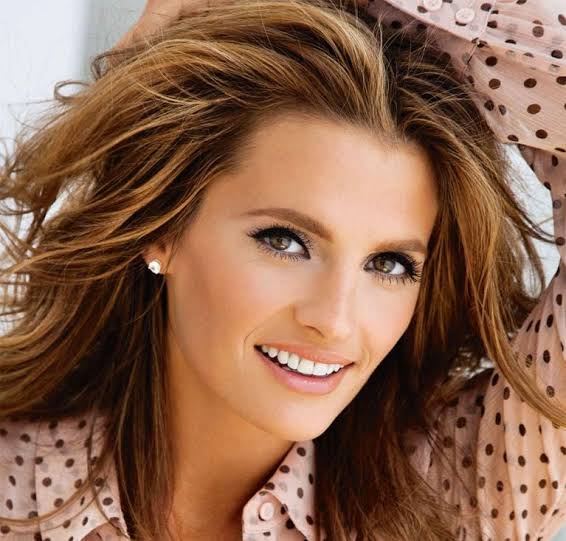
before Stana Katic blended logic with volatility,
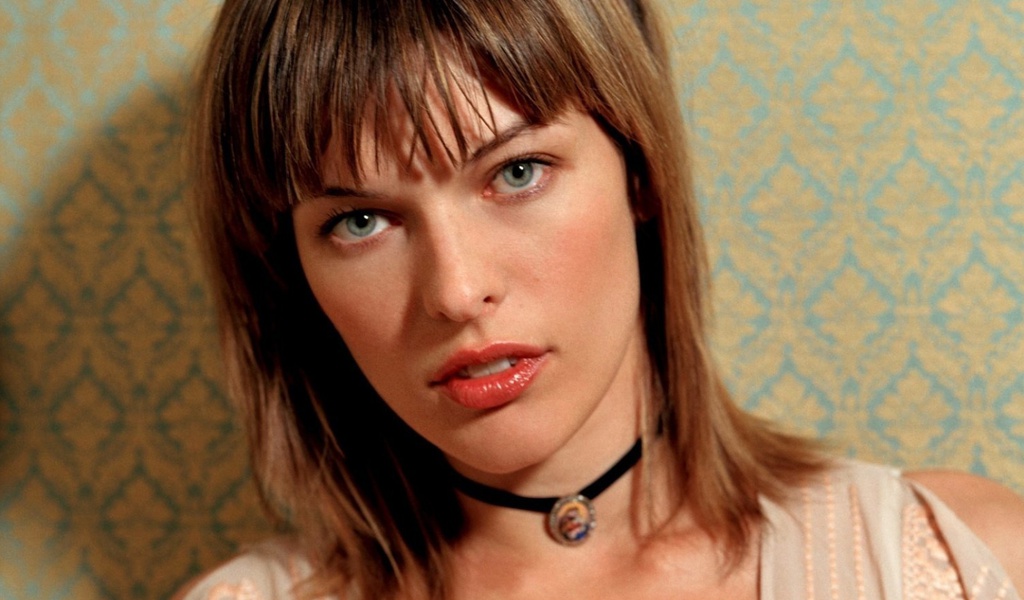
before Milla Jovovich built an empire of supernatural survival —
there was Wilson, defining what it means for a woman to occupy a genre built for men: not louder, not harder, but deeper, sharper, quieter.
And her influence didn’t stop with action cinema.
Mélanie Laurent — in Room of Death, Requiem for a Killer, Now You See Me, 6 Underground, and Wingwomen — often channels the same cool detachment, sleek danger, and moral tension that once made Wilson’s Nikita a phenomenon.
Even in fantasy, a faint echo remains: on the set of Game of Thrones, Rose Leslie shared the screen and the admiring glances of the audience with Sophie Turner — the actress who eventually stepped into the mantle of Jean Grey. Turner, in turn, appeared in the X-Men films alongside Jennifer Lawrence, whose Mystique became one of the saga’s emotional pillars.
In this quiet lineage, Wilson stands at the root: the early spark behind generations of fiery, conflicted heroines navigating worlds of danger, loyalty, and identity.
Off-screen, Wilson chose a different kind of strength. She stepped away from global spotlight on her own terms, devoting herself to family life, creative pursuits, and occasional charitable initiatives in Australia. In an industry that rewards constant visibility, her decision to cultivate privacy became its own form of integrity — the rare grace of claiming space outside the noise.
Divorced. Mother of one child.
Photos & screencaps with Peta Wilson