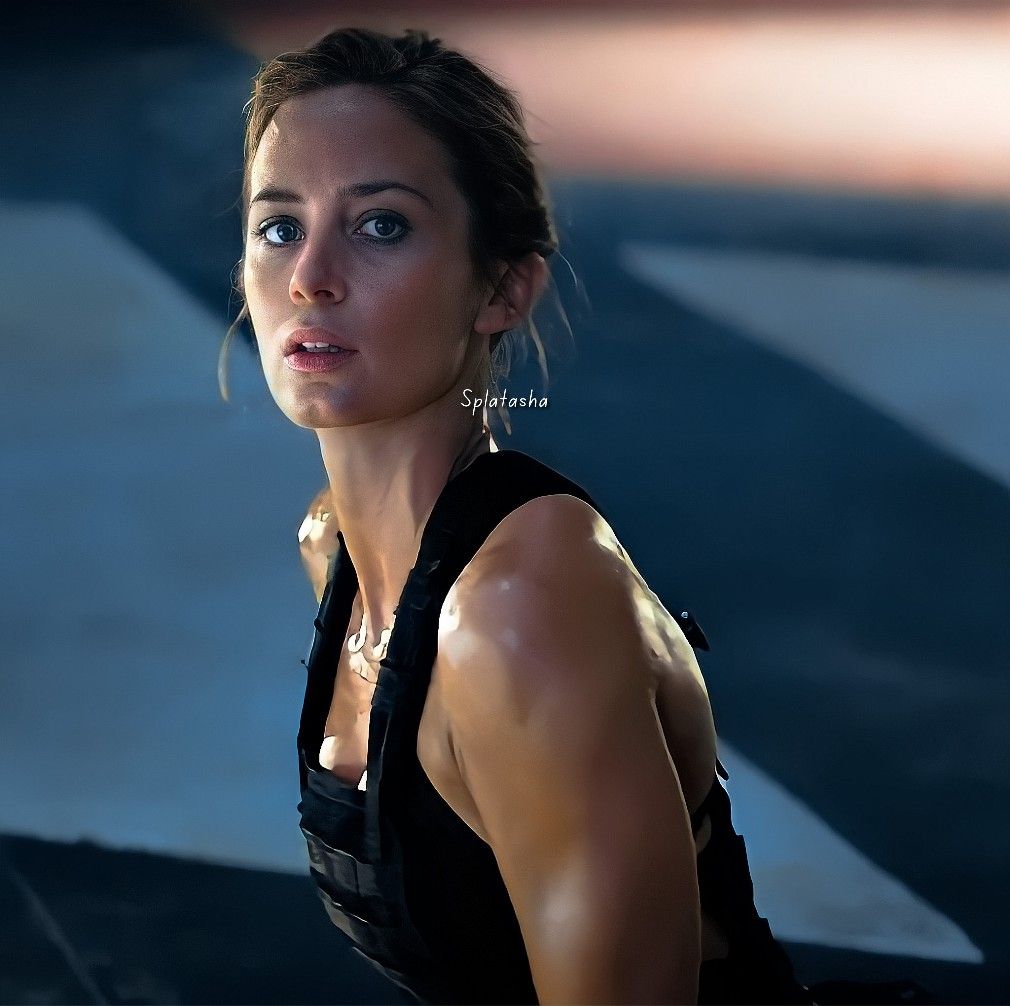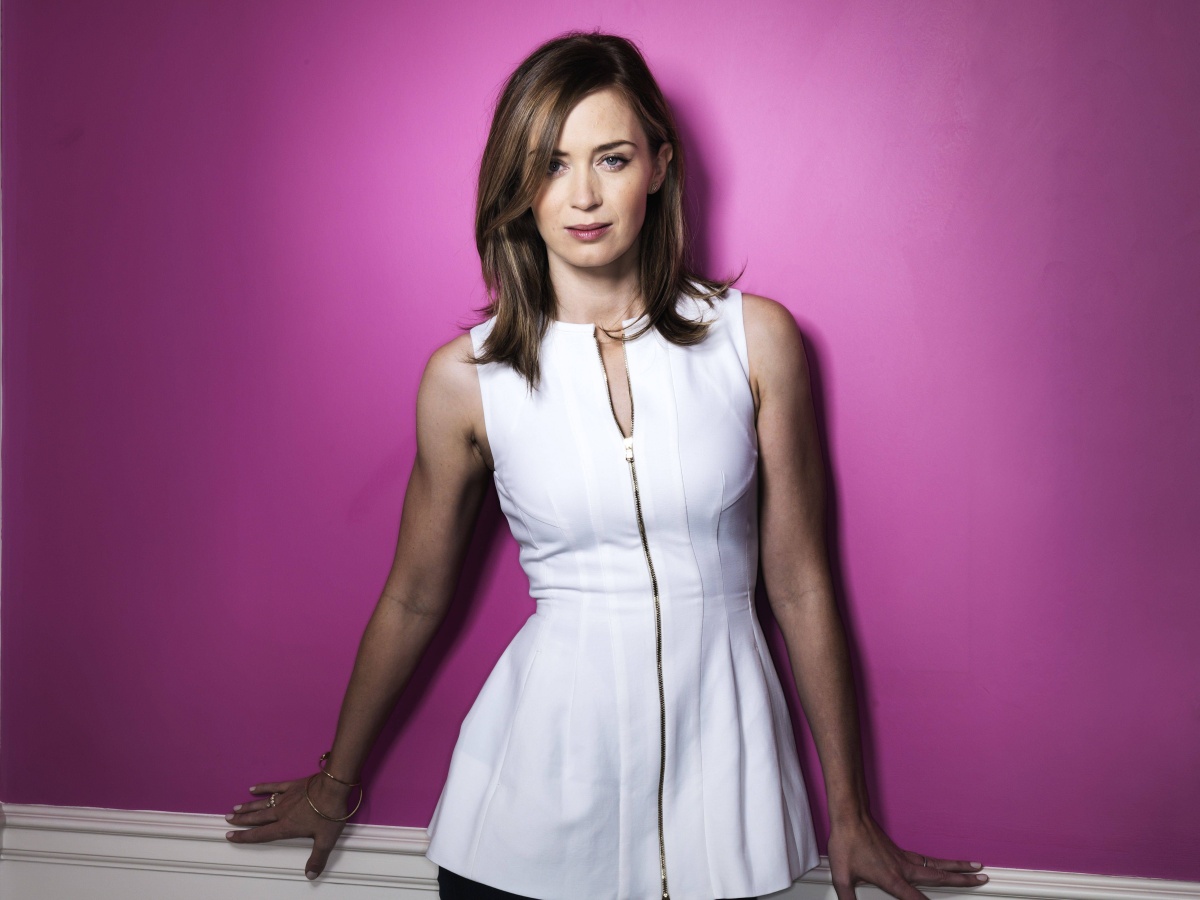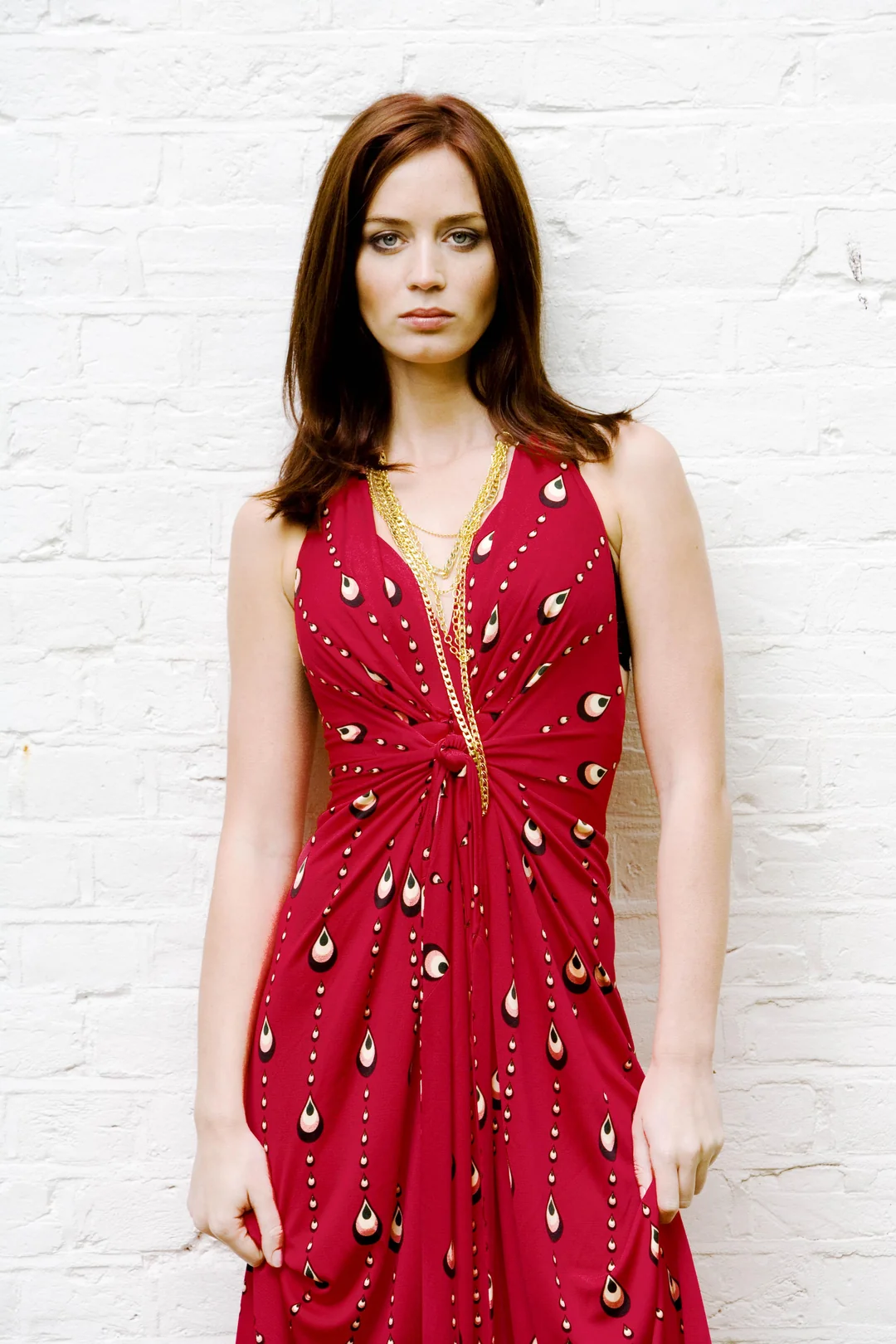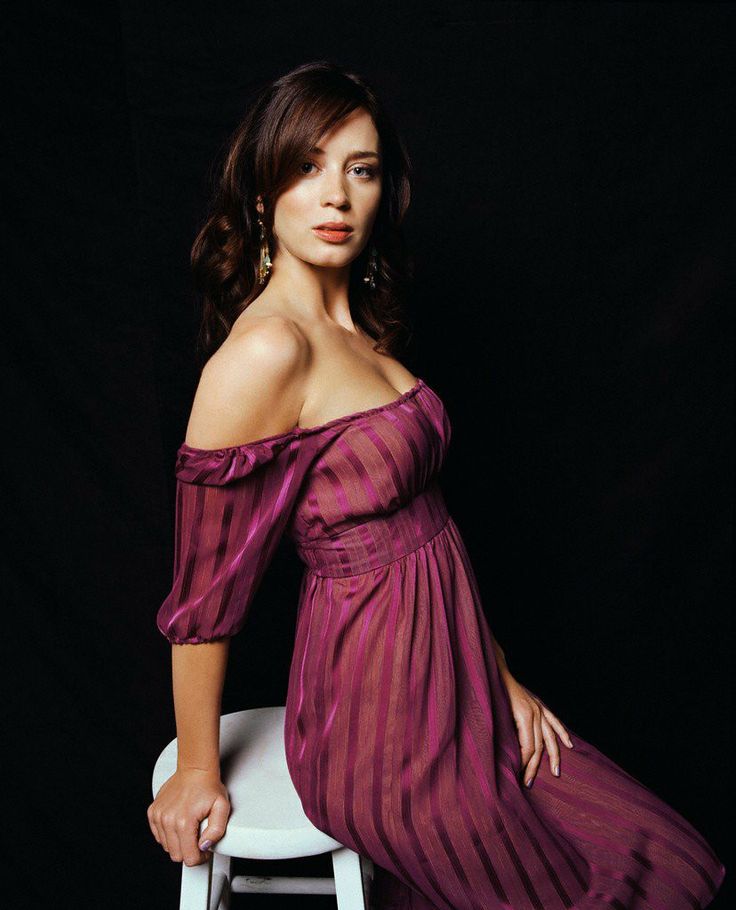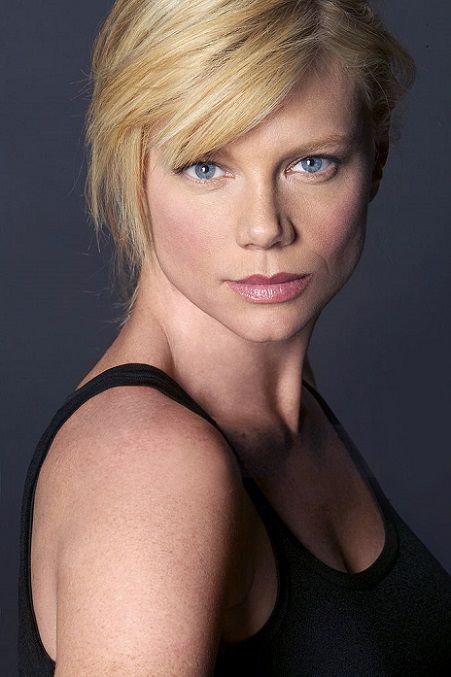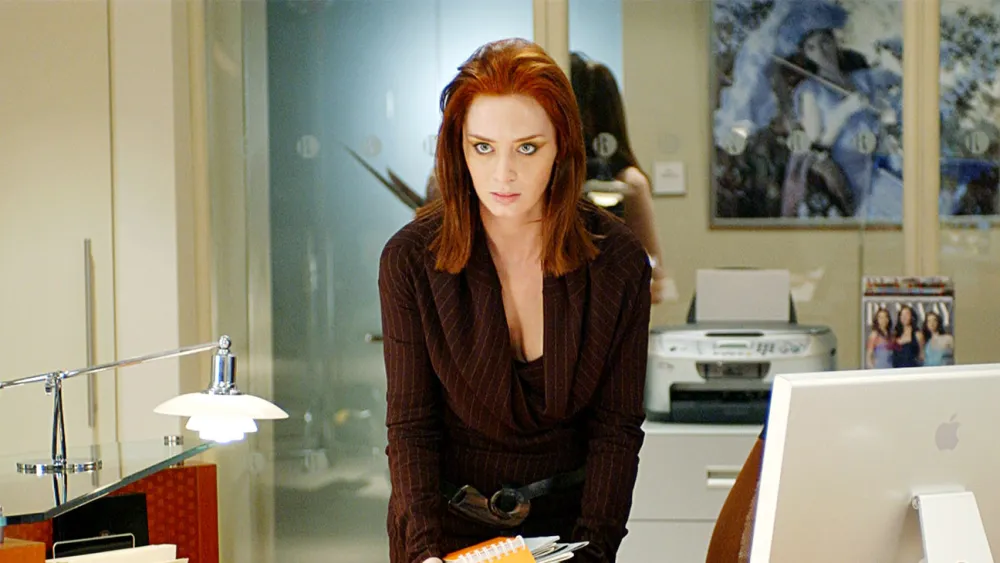
Emily Blunt / Emily Olivia Laura Blunt
Born on February 23, 1983 (London, England, United Kingdom).
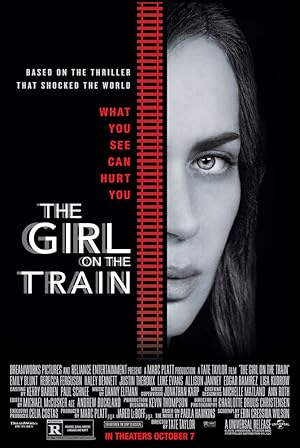
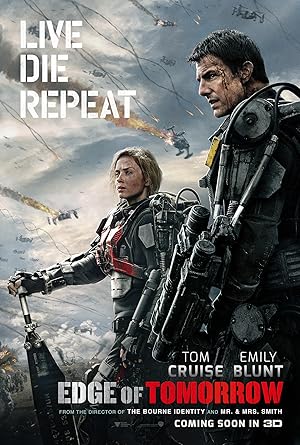
Emily Blunt has built a career on contradictions that somehow feel effortless: elegance with steel, warmth with danger, fragility with bite. Few actresses move between genres with such athletic precision. She’s the armored angel of death who stole the show in Edge of Tomorrow (2014), delivering a performance so iconic it redefined what a female action lead could be. She’s the haunted, spiraling soul at the center of The Girl on the Train (2016), the irresistibly unpredictable hitwoman of Wild Target (2010), and the unforgettable assistant with the emotional shrapnel of The Devil Wears Prada (2006) — a role that launched a thousand memes and introduced Blunt’s singular blend of comic bite and melancholy poise.
And then came A Quiet Place (2018), where she delivered one of the most arresting performances in modern horror — commanding entire scenes with silence, breath, or the tremor of a terrified hand. Her work in that film (and its sequels) cemented Blunt as a performer who can convey more emotional charge in a whisper than others do in a monologue.
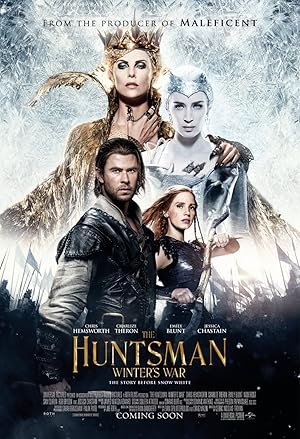
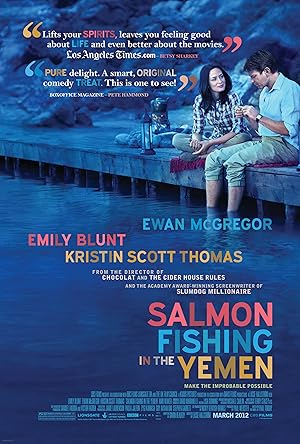
She’s also threaded into a wider cinematic tapestry: in The Huntsman: Winter’s War (2016), she squared off against Charlize Theron’s immortal Evil Queen — a mythic rivalry born in the same universe where Kristen Stewart once wielded a sword as Snow White. Like Mélanie Laurent, Rebecca Ferguson, Scarlett Johansson, Elizabeth Debicki, and Eva Green, Blunt also shares the Ewan McGregor connection: in her case, as his counterpart in the soulful, gently magical Salmon Fishing in the Yemen (2012).
Off-screen, Blunt has carved out her own kind of authorship. She has spoken candidly about anxiety, voice loss, and the fear of being boxed into typecasting — vulnerabilities she transforms into fuel. She collaborates closely with directors (most famously her husband John Krasinski) and has proven herself a multidimensional creator whose instincts shape the tone of the films she anchors. There’s also the unmistakable through-line of her career: she gravitates toward stories where the emotional architecture is just as important as the spectacle, where the woman at the center is not merely reacting to the world but quietly — or violently — transforming it.
Married. Mother of two children.
Photos & screencaps with Emily Blunt