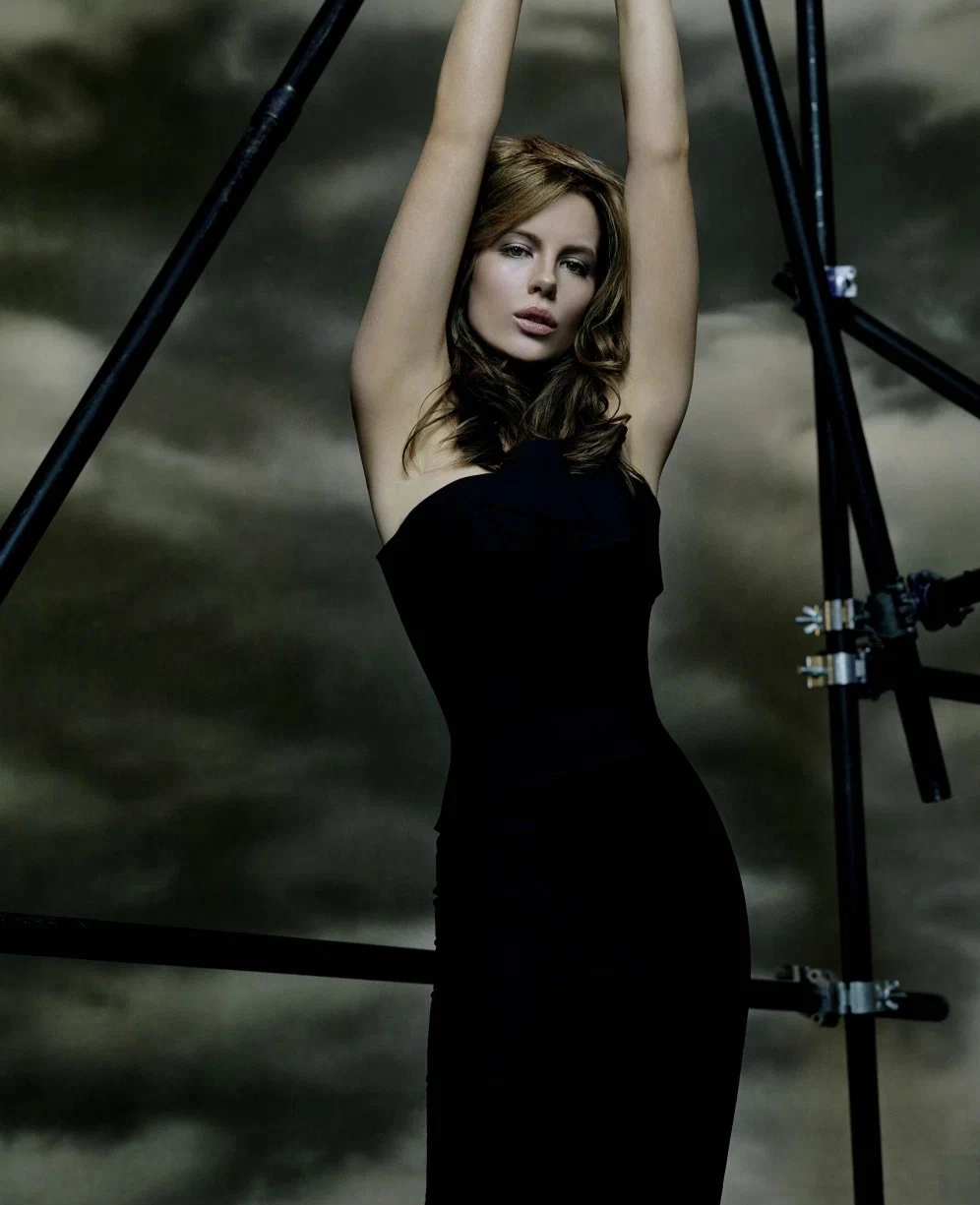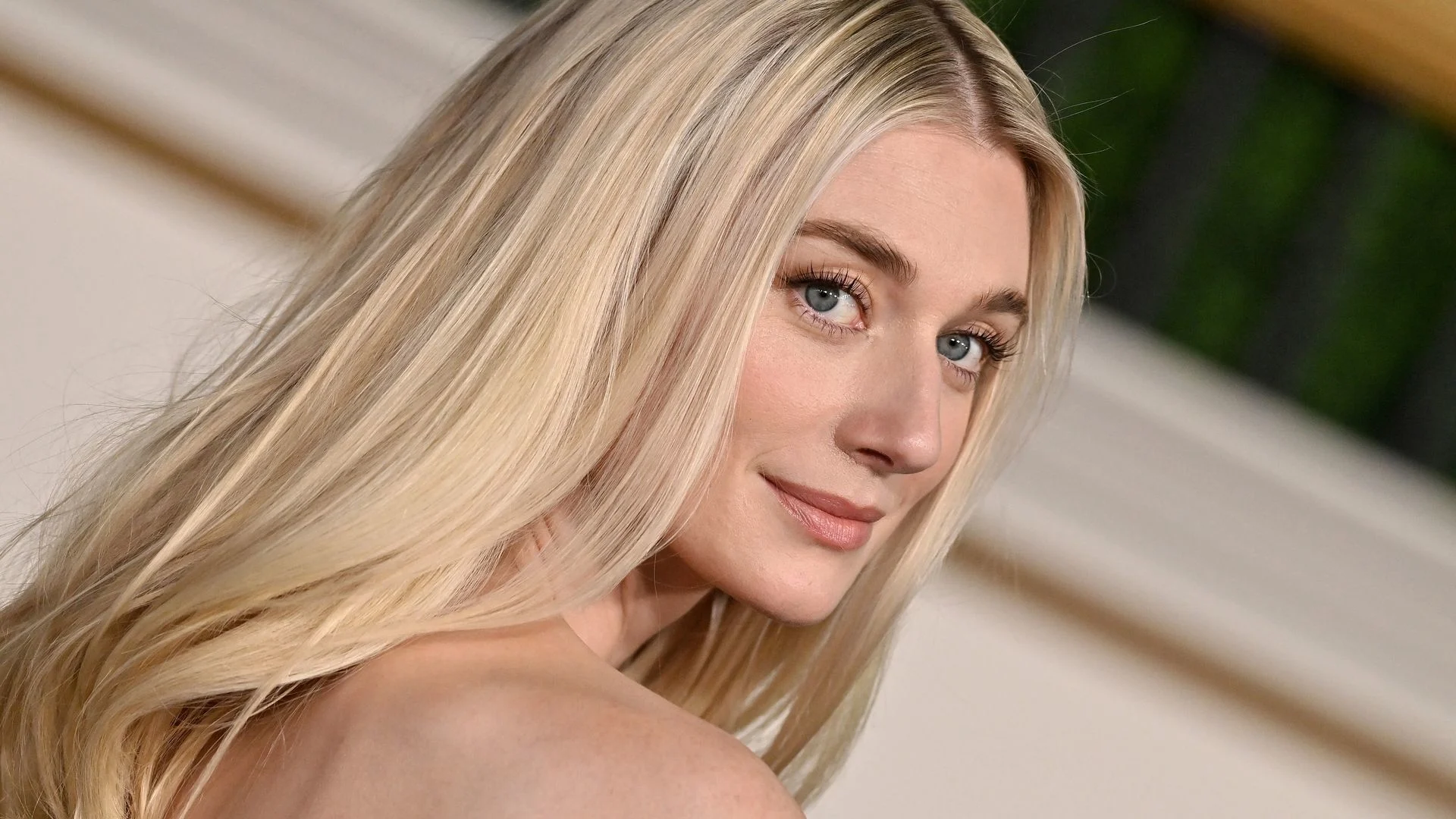
Elizabeth Debicki
Born on August 24, 1990 (Paris, France).
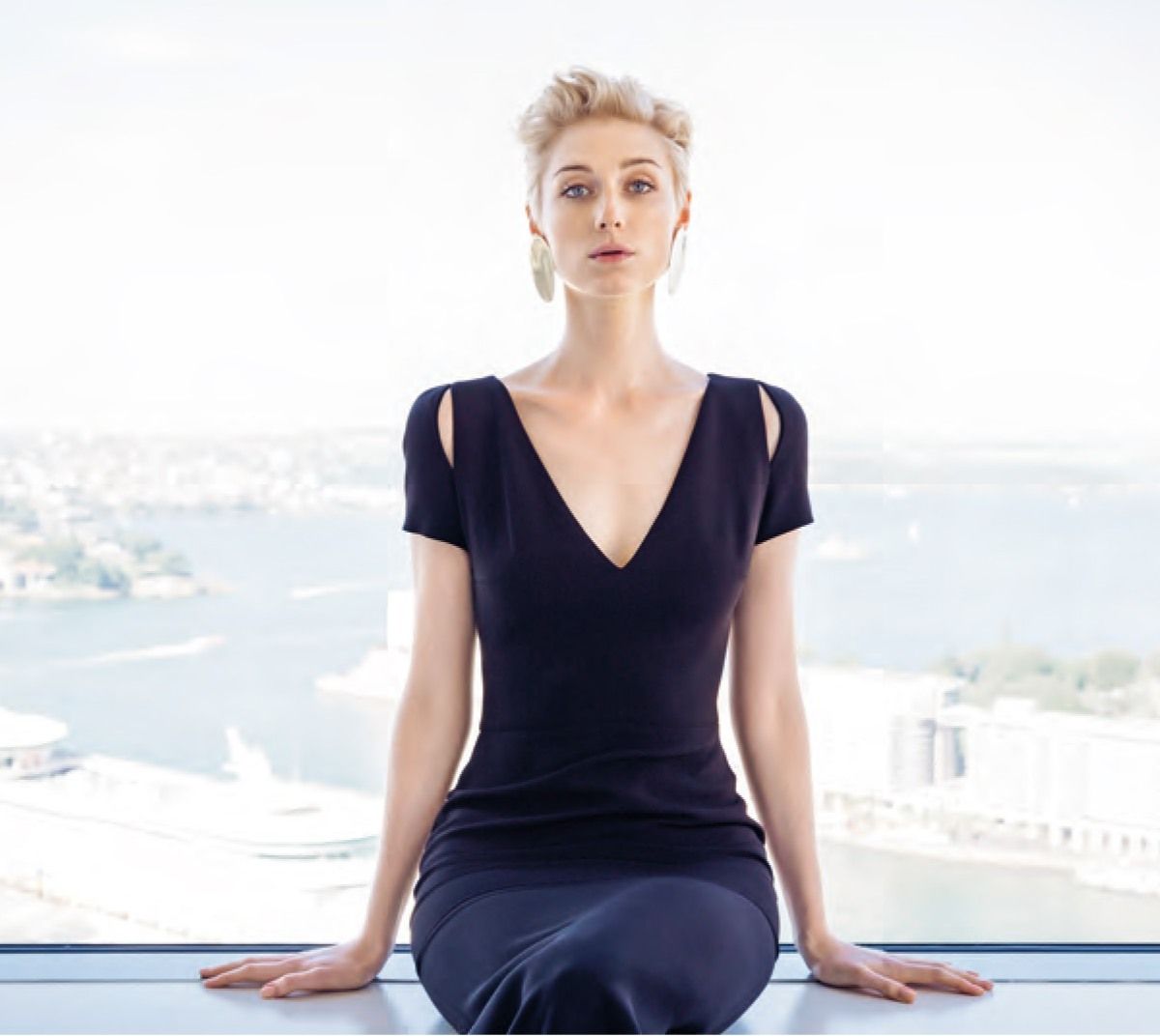
Elizabeth Debicki commands attention the instant she enters a frame — not simply because of her six-foot-three silhouette, but because she carries herself with the poise of someone born slightly out of this world. She can appear icy without ever seeming fragile; luminous without ever needing the light. In The Great Gatsby (2013), she brought a cool, feline glamour; in The Man from U.N.C.L.E. (2015), that elegance sharpened into sly, almost decadent sophistication. Her turn in Tenet (2020) revealed something far more human — a woman fighting to reclaim her life from a gilded cage, trembling between fear and resolve.
In MaXXXine (2024), she steps into bold, provocative territory, proving she can bend her statuesque grace into something dangerous, erotic, or unsettling — whatever the story demands.
Even in ostensibly supporting parts — like the golden-skinned Ayesha in Marvel’s Guardians of the Galaxy Vol. 2 (2017) and Vol. 3 (2023) — her presence is impossible to overlook. And although she didn’t occupy the same central orbit in the MCU as Scarlett Johansson’s Black Widow, Debicki’s Ayesha feels like a cosmic monarch carved out of starlight — imperious, immaculate, and unforgettable.
Her path also glances against the larger galaxy of modern mythmaking. Like Amy Adams’ Lois Lane, she lends gravitas to characters who might otherwise be eclipsed by spectacle. And like the shape-shifting Mystique — embodied with hypnotic sensuality by Jennifer Lawrence — Debicki demonstrates how genre roles can carry both visual force and psychological depth. Even Charlize Theron, whose arrival in the MCU as Clea hints at yet-unwritten cosmic storylines, seems to inhabit a similar plane of formidable, otherworldly elegance. Debicki stands naturally among these women — actresses whose presence feels less decorative than gravitational.
A particularly revealing connection emerges not through cinema, but through theatre. In 2025, Debicki shared the stage with Ewan McGregor in a contemporary reimagining of Henrik Ibsen’s The Master Builder, staged at London’s Wyndham’s Theatre. The production marked McGregor’s return to the West End after nearly two decades, with Debicki cast as Mathilde — a former student whose reappearance destabilizes the architect at the center of the play. Though not a film, the production was widely described as strikingly cinematic, reinforcing Debicki’s ability to command space and silence with the same authority she brings to the screen.
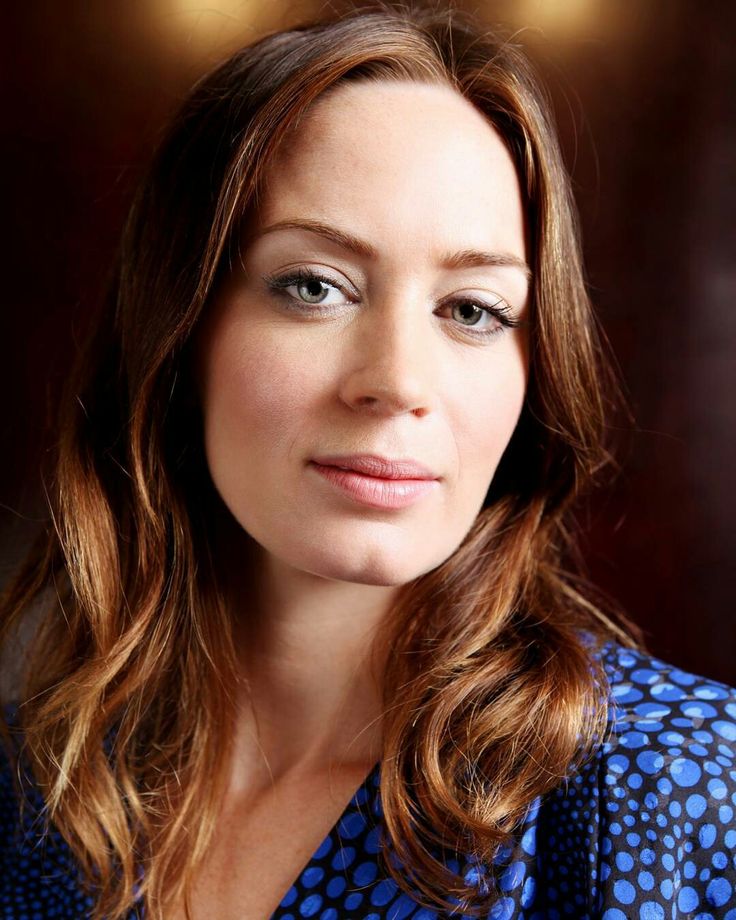
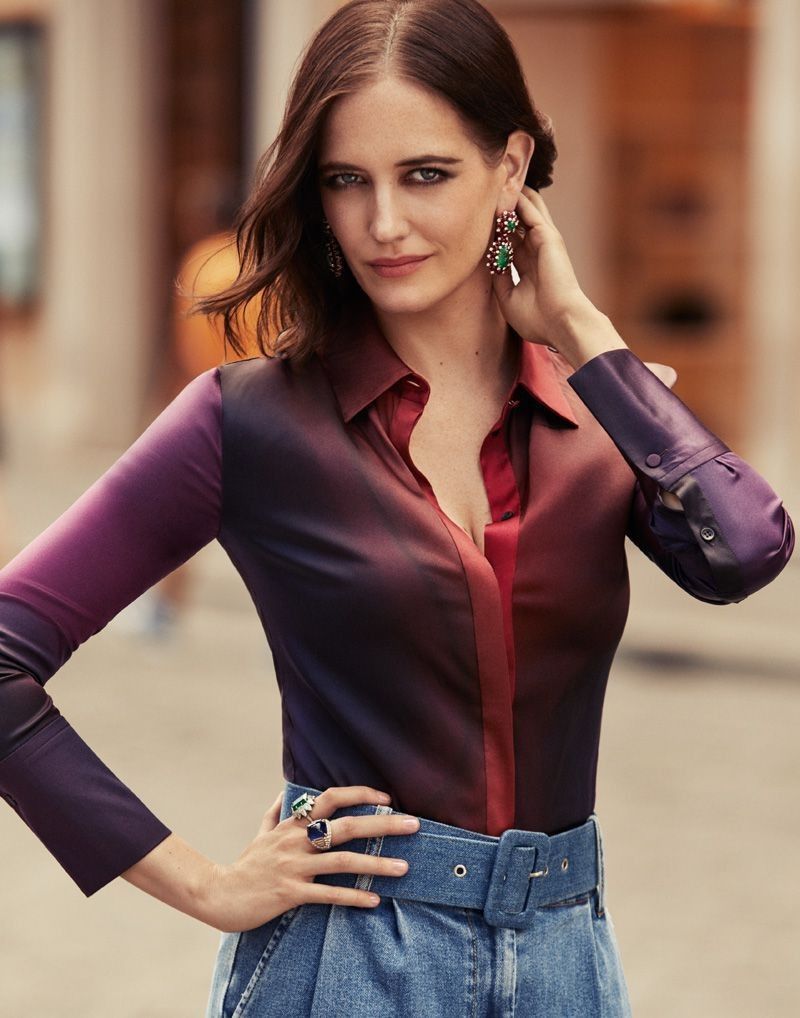
That stage collaboration places her within the same extended creative orbit as Mélanie Laurent, Rebecca Ferguson, Emily Blunt, Eva Green and Scarlett Johansson — actresses likewise connected to McGregor through film, but now joined to Debicki through the shared discipline of live performance. It’s a quieter, rarer kind of intersection, one rooted not in franchise logic, but in craft.
Off-screen, Debicki is defined by a deliberate, almost architectural restraint. She avoids the churn of tabloid culture, preferring substance over spectacle, and speaks with clarity about fame, body image, and life as one of Hollywood’s tallest women. Admirers often note how she turns height into narrative language — a vocabulary of balance, authority, and calm command.
With every new performance, Debicki continues to redefine what elegance can be — not ornamental, but structural; not distant, but magnetic. She remains one of the few actresses capable of making an entire scene feel recalibrated around her, simply by stepping into it.
Single. No children.
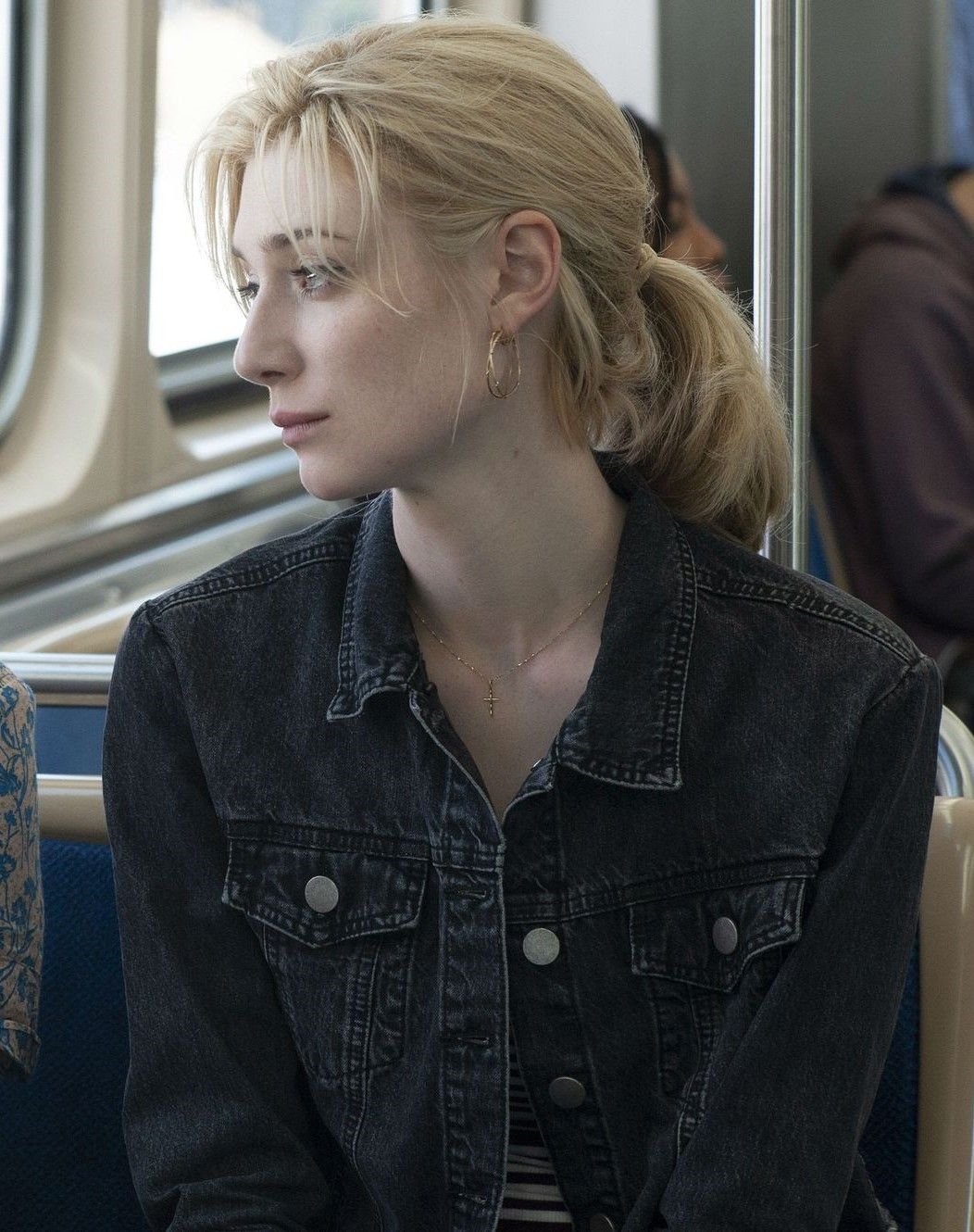
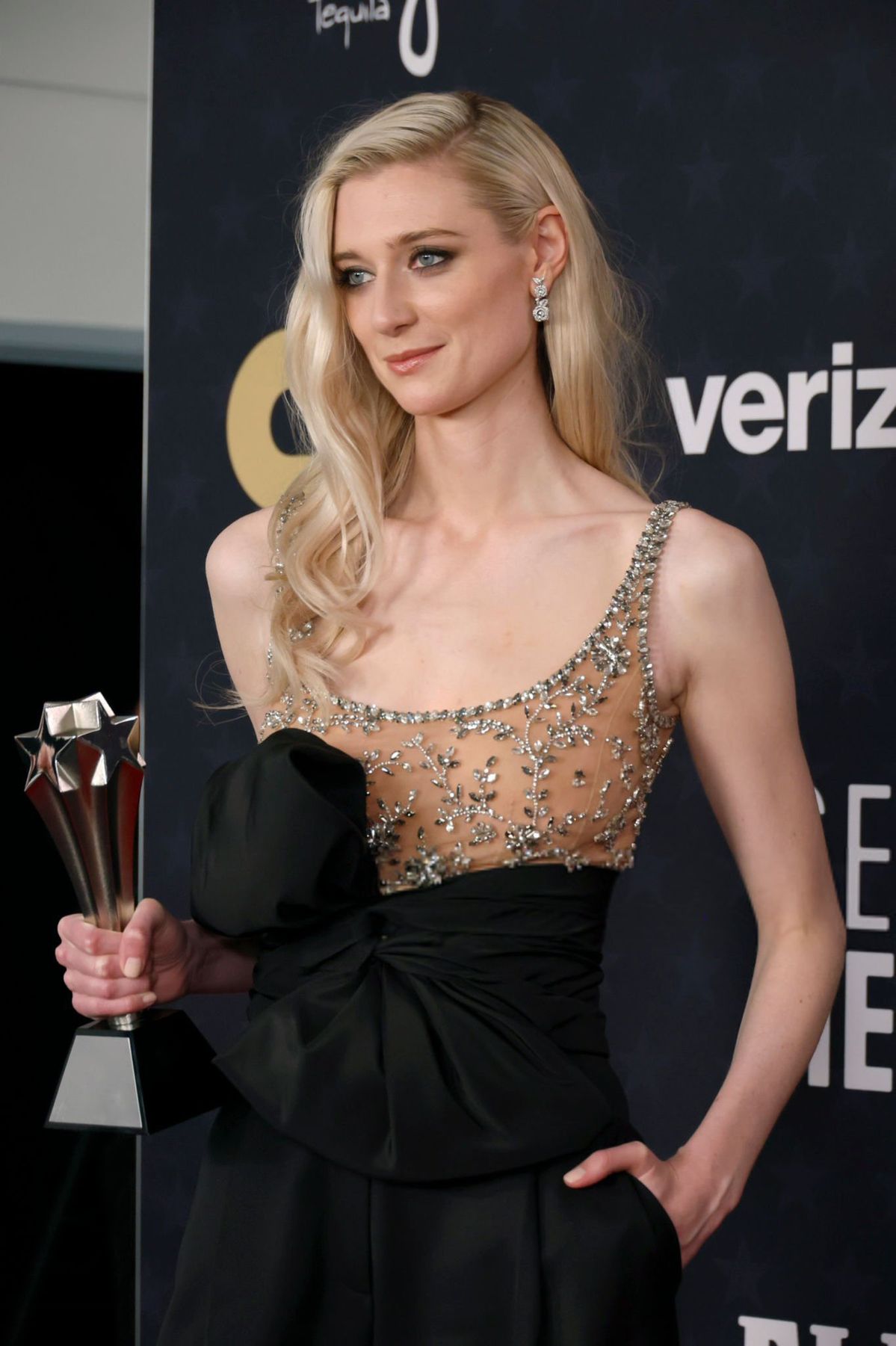
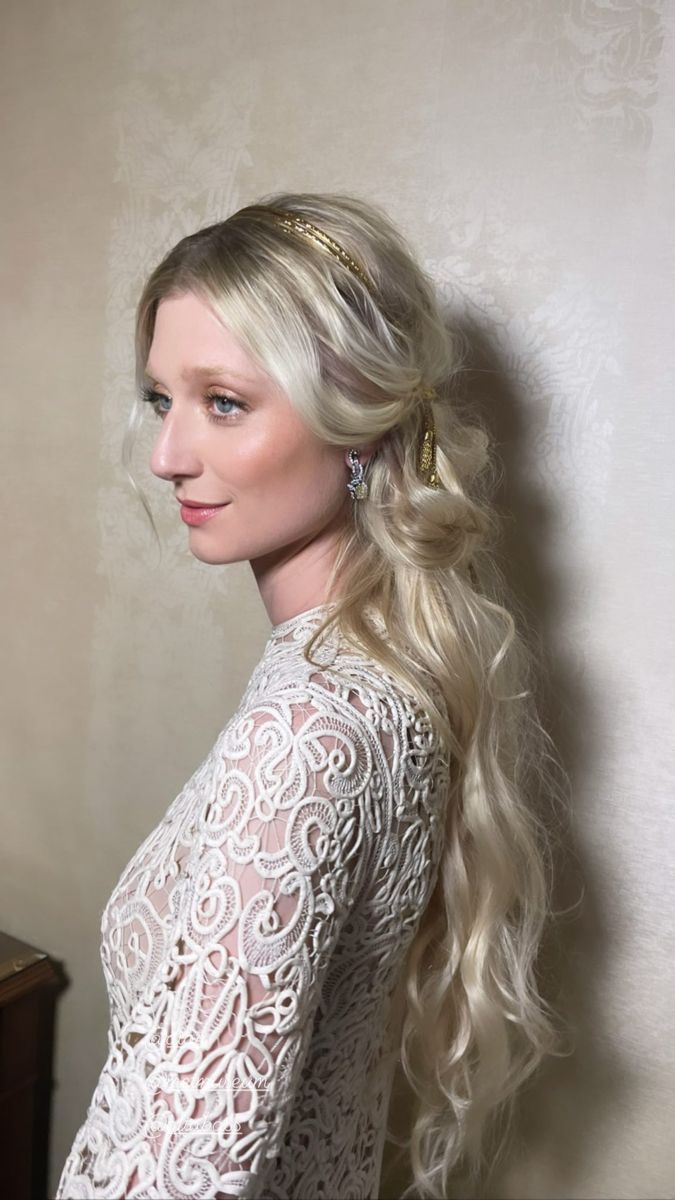
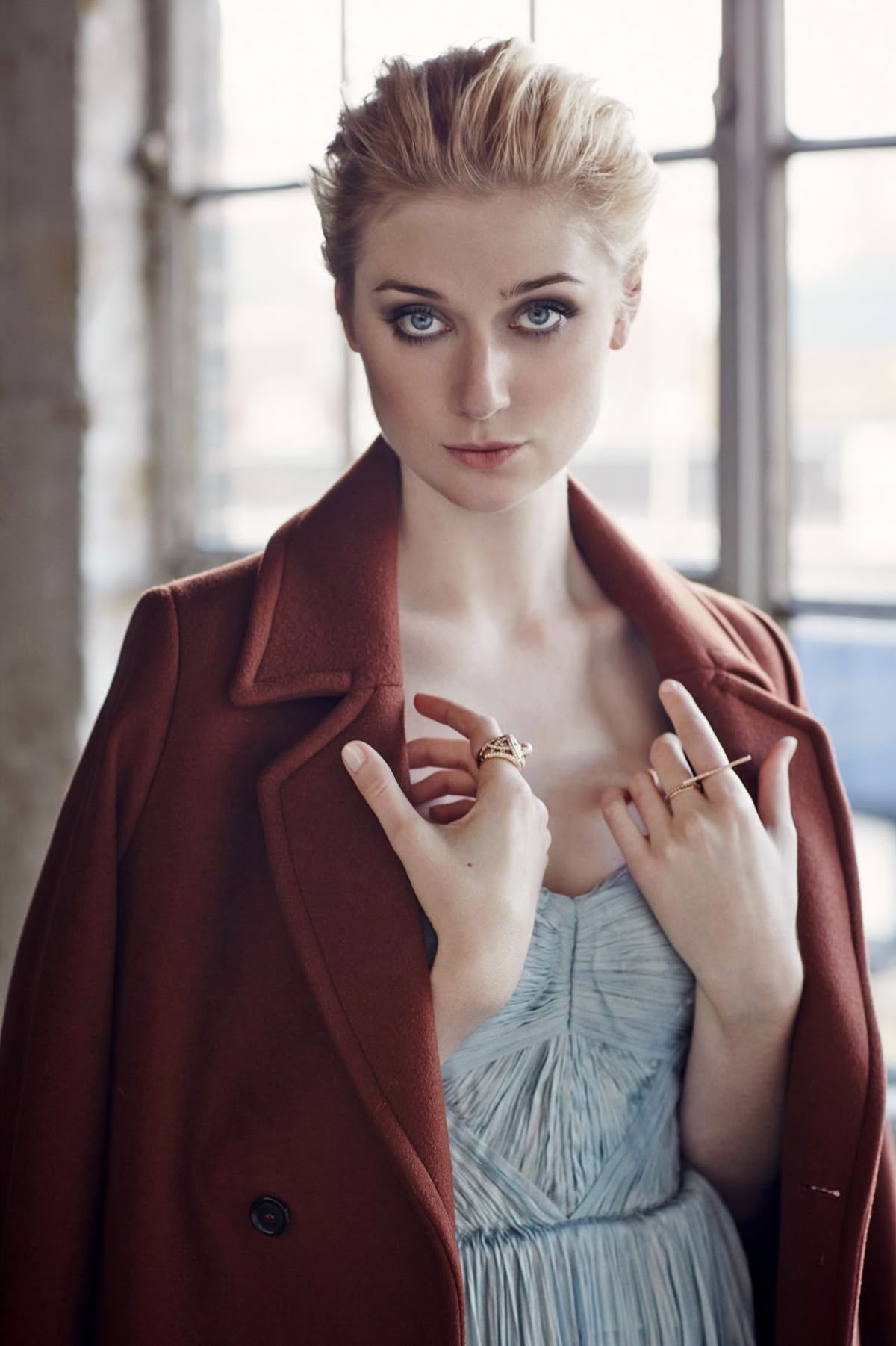
Photos & screencaps with Elizabeth Debicki